
Shop Water Treatment Products
Johnson City, TX, Water Softeners and Filters
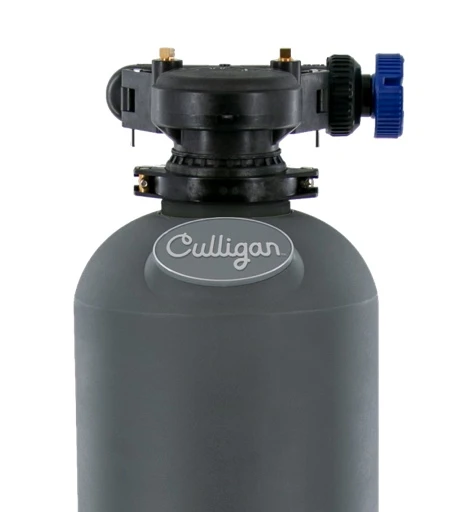
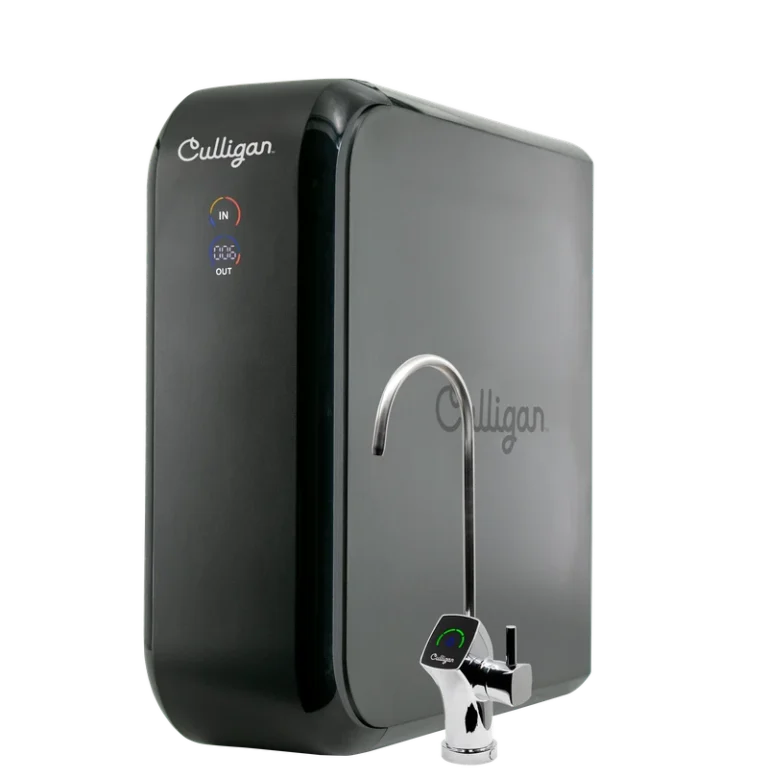
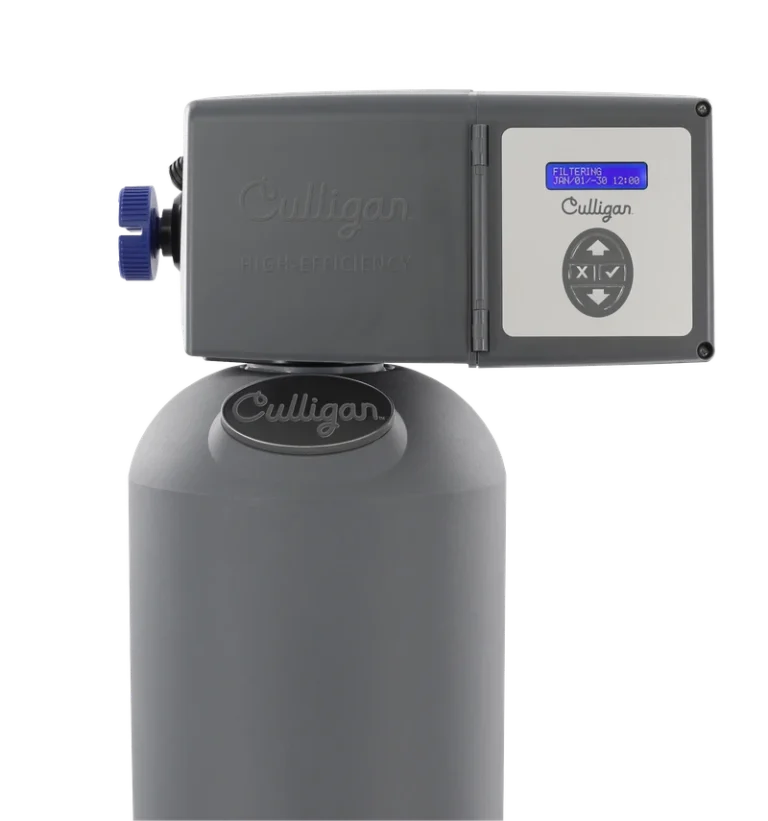
Deals
Don’t Miss Out
What’s In Your Johnson City, TX Water?
Get a FREE Water Test!
- No mailing — fast results!
- Test any tap in your home
- NEW flexible sample pickup options

Frequently Asked Questions for Water in Johnson City, Texas
Is Johnson City, TX tap water safe to drink?
Yes, Johnson City’s tap water meets state and federal drinking water standards. That said, municipal water can still contain disinfectants, byproducts, and trace contaminants that some homeowners would rather reduce at the tap. That is why many households still choose home water treatment even when the water supply remains in compliance.
Where does Johnson City’s water come from?
Johnson City’s water supply comes from groundwater sourced from the Ellenburger Aquifer in Blanco County. As groundwater moves through rock and soil, it can naturally pick up minerals and other substances, which may influence hardness, taste, and overall water composition.
Does Johnson City use chlorine or chloramine?
Johnson City uses free chlorine as a disinfectant. Recent testing reported an average chlorine level of 1.11 mg/L, with levels ranging from 0.97 to 1.25 mg/L. Chlorine is effective at controlling bacteria and other microorganisms, but it can also contribute to noticeable taste and odor in drinking water for some households.
Are there disinfection byproducts in Johnson City’s water?
Yes. Testing detected:
- Total Trihalomethanes (TTHMs): 10 ppb
- Haloacetic Acids (HAA5): 2 ppb
These compounds form when chlorine reacts with natural organic matter in the water. While both are below EPA limits (80 ppb for TTHMs and 60 ppb for HAA5), some homeowners choose filtration to reduce exposure.
Does Johnson City water contain lead?
Lead was detected at a 90th percentile level of 1.6 ppb, which is below the federal action level of 15 ppb.
It’s important to note that lead typically does not come from the source water. Instead, it can enter drinking water through corrosion of household plumbing materials, fixtures, or service lines. Levels can vary from home to home depending on plumbing conditions.
Is Johnson City water hard?
While the report does not list a specific hardness level, groundwater from aquifers like the Ellenburger formation commonly contains dissolved minerals such as calcium and magnesium.
This can lead to common signs of hard water, including scale buildup on fixtures and appliances, spots on glassware, or reduced soap efficiency.
Is fluoride added to Johnson City’s water?
Fluoride was detected at 0.52 ppm, which is below the EPA maximum contaminant level of 4.0 ppm. Fluoride is commonly added or naturally present in drinking water to help support dental health. Even within safe limits, some homeowners choose to filter it out depending on personal preference.
What other contaminants were found in Johnson City’s water?
Testing detected low levels of several additional contaminants, including:
- Barium: 0.0672 ppm
- Nitrate (as nitrogen): 2 ppm
- Combined Radium 226/228: 1.08 pCi/L
- Gross alpha (excluding radon and uranium): 6 pCi/L
- Uranium: 2.2 µg/L
These levels were reported within current standards, but some homeowners still prefer to reduce as much as possible in the water they drink and cook with.
Are PFAS or other emerging contaminants found in Johnson City’s water?
The available report does not include PFAS or UCMR testing results. This does not necessarily mean PFAS are not present, only that they were not listed in this report. For homeowners seeking more control over emerging contaminants, advanced filtration solutions are often considered.
Was there a water quality violation reported in Johnson City’s?
Yes. The report includes several notable violations, primarily related to monitoring, testing, and public notification requirements rather than contaminant exceedances:
Lead Consumer Notice (LCR) Violation
- The system failed to deliver lead monitoring results to customers within the required 30-day timeframe
- This was a reporting and communication issue, not a lead level exceedance
Chlorine Monitoring Violation (DLQOR)
- The system failed to properly test drinking water during a required period
- Because of this, water quality during that timeframe could not be fully verified
Public Notification Rule Violations
- Multiple instances where the system failed to adequately notify consumers about violations
- These occurred across different time periods, including long-term compliance gaps
While these violations do not indicate unsafe contaminant levels, they highlight gaps in monitoring, reporting, and communication, which may lead some homeowners to want greater visibility and control over their water quality.
How can I improve my water quality in Johnson City’s?
The best way to understand your water is through a professional water test. Culligan offers customized solutions based on your home’s water, including:
- Water softeners to address hardness and scale buildup
- Reverse osmosis systems for drinking water filtration
- Whole-house filtration systems to reduce chlorine, byproducts, and other contaminants
A tailored approach helps target the specific conditions in your home.
Where can I get a local water quality report?
You can access the latest water quality information here.
The Proof
Why Do Johnson City
Homeowners LOVE Us?
Culligan helped us get ahead of the buildup we were seeing on fixtures and appliances. The difference in our water quality has been noticeable, and everything feels easier to maintain now.

We didn’t realize how much the chlorine taste was affecting our water until we made the switch. Drinking water is cleaner, and even cooking has improved.
The team took the time to explain everything and recommend the right system for our home. Our water feels softer, and we’ve already noticed less spotting and scale around the house.


Facebook