
Shop Water Treatment Products
Wimberley, TX, Water Softeners and Filters
Deals
Don’t Miss Out
What’s In Your Wimberley, TX Water?
Get a FREE Water Test!
- No mailing — fast results!
- Test any tap in your home
- NEW flexible sample pickup options

Frequently Asked Questions for Water in Wimberley, Texas
Is Wimberley, TX tap water safe to drink?
Yes, Wimberley’s tap water meets state and federal drinking water standards. That said, municipal water can still contain disinfectants, byproducts, and trace contaminants that some homeowners would rather reduce at the tap. That is why many households still choose home water treatment even when the water supply remains in compliance.
Where does Wimberley’s water come from?
Wimberley WSC provides groundwater from the Trinity Aquifer in Hays County. Groundwater can pick up naturally occurring minerals and other substances as it moves through rock and soil, which is one reason water quality can vary from one area to another.
Does Wimberley use chlorine or chloramine?
Wimberley’s report shows free chlorine is used as a disinfectant. The system reported an average free chlorine level of 1.05 ppm, with a range of 0.60 to 1.86 ppm. Disinfectants help control microbes, but they can also contribute to taste and odor concerns in some homes.
Are there disinfection byproducts in Wimberley’s water?
Yes. Wimberley’s testing detected Total Trihalomethanes (TTHMs) at 9 ppb. This is a byproduct of drinking water disinfection. Even when levels are within current regulatory limits, many homeowners still choose filtration to reduce byproducts and improve drinking water quality.
Does Wimberley water contain lead?
Lead was detected at a 90th percentile value of 2.08 ppb, which is below the federal action level of 15 ppb. That is a positive result, but lead can still vary from home to home because it usually comes from plumbing materials, fixtures, or service lines rather than the source water itself.
Is Wimberley water hard?
The Wimberley report does not list a hardness value. Even without a published hardness number, groundwater systems can still lead to mineral-related issues like buildup on fixtures, spots on glassware, or soap that does not rinse as cleanly as expected. A home water test is the best way to find out what is happening in your specific water.
Is fluoride added to Wimberley’s water?
Fluoride was detected in Wimberley’s water at 1.11 ppm, with reported samples ranging from 0.38 to 1.11 ppm. Fluoride in drinking water is commonly monitored as part of standard water treatment and reporting.
What other contaminants were found in Wimberley’s water?
Wimberley’s report also detected low levels of several other contaminants, including:
- Barium: 0.0305 ppm
- Chromium: 15 ppb
- Nitrate: 0.11 ppm
- Selenium: 4.1 ppb
- Ethylbenzene: 0.5 ppb
- Xylenes: 0.0029 ppm
- Uranium: 1.1 µg/L
- Gross alpha excluding radon and uranium: 4.4 pCi/L
- Beta/photon emitters: 4.6 pCi/L
These levels were reported within current standards, but some homeowners still prefer to reduce as much as possible in the water they drink and cook with.
Are PFAS or other emerging contaminants found in Wimberley’s water?
The Wimberley report you provided did not show PFAS results or UCMR contaminant data. That does not necessarily mean those compounds are never a concern. It simply means they were not listed in the report provided here. For homeowners who want more control over emerging contaminants, advanced drinking water filtration is often the next step.
Was there a water quality violation reported in Wimberley?
Yes. Wimberley reported a Lead Consumer Notice (LCR) violation. According to the report, all lead monitoring results were negative, but the water system did not provide the lead tap water monitoring results to consumers at the tested location within the required 30-day period. The results were mailed after that deadline.
This was a notification and compliance timing issue, not a lead exceedance in the water results themselves. Still, reporting issues like this can make homeowners want more visibility into their own water quality.
How can I improve my water quality in Wimberley?
The best way to understand your water is through a professional water test. Culligan offers customized solutions based on your home’s water, including:
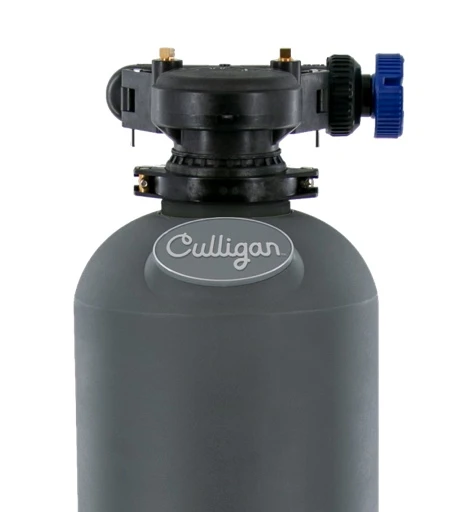
- Water softeners to address hardness and scale buildup
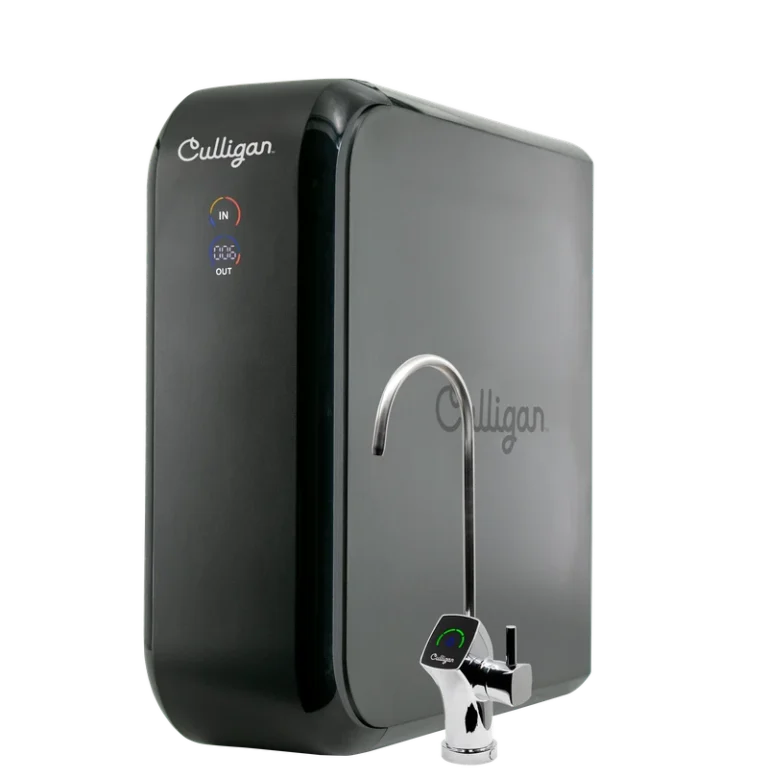
- Reverse osmosis systems for drinking water filtration
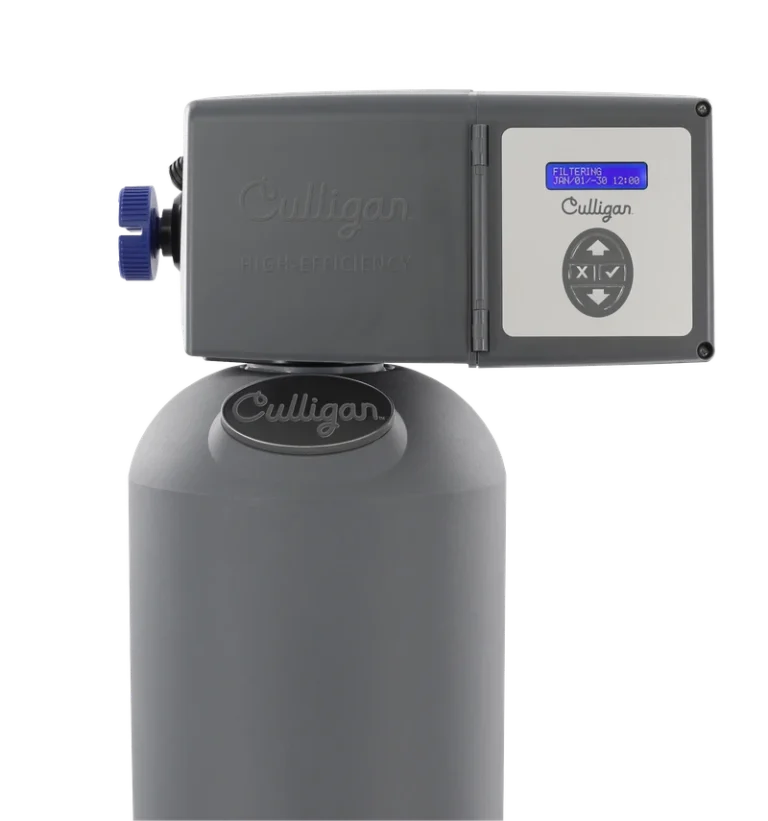
- Whole-house filtration systems to reduce chlorine, byproducts, and other contaminants
A tailored approach helps target the specific conditions in your home.
Where can I get a local water quality report?
You can access the latest water quality information here.
The Proof
Why Do Wimberley
Homeowners LOVE Us?
Culligan helped us improve the taste and overall feel of our water without making the process complicated. We noticed the difference pretty quickly once everything was installed.

We wanted a more reliable solution for our home’s water, and the team made it easy to understand what we needed. Everything has felt cleaner and more consistent since.
The service was straightforward, and the results have been worth it. Our water tastes better, and we feel more confident about what we’re using every day.


Facebook