
Local resources
Lockhart Hard Water
How Hard Is Lockhart Water?
Lockhart’s most recent report does not list a hardness measurement. However, because the city blends Wilcox and Carrizo Aquifer groundwater with treated surface water, some homes may still experience mineral-related issues such as spotting, buildup, or soap that does not rinse as cleanly as expected. A home water test is the best way to find out what your specific water looks like.
Where Can I Get A Water Quality Report?
You can access Lockhart’s annual Water Quality Report. This is also known as a consumer confidence report, and provides detailed data on the composition of your municipal water annually.
Proudly serving Blanco, Buda, Driftwood, Dripping Springs, Johnson City, Kyle, Lockhart, Wimberley, and Woodcreek
FAQ
Additional Information On Lockhart, TX Tap Water
Is Lockhart, TX tap water safe to drink?
Yes, Lockhart’s tap water meets state and federal drinking water standards. That said, treated municipal water can still contain disinfectants, disinfection byproducts, and trace contaminants at levels some homeowners would rather reduce. That is one reason many households still choose filtration or reverse osmosis systems for added peace of mind.
Where does Lockhart’s drinking water come from?
Lockhart blends three supplies: groundwater from the city’s own Wilcox Aquifer wells, Carrizo Aquifer groundwater from the Guadalupe-Blanco River Authority and Alliance Regional Water Authority wells, and San Marcos River surface water treated at GBRA’s Luling Water Treatment Plant. Because Lockhart uses both groundwater and surface water, the final water quality at the tap can reflect a mix of those source conditions.
Does Lockhart use chlorine or chloramine?
Lockhart uses chloramine in its distribution system. The most recent report shows an average of 2.1 ppm, with a range of 0.51 to 3.4 ppm, below the 4 ppm limit. Chlorine is used at the treatment plants before the water enters the system.
Are there disinfection byproducts in Lockhart’s water?
Yes. Lockhart’s water testing detected:
- Total Haloacetic Acids (HAA5): 7.75 ppb
- Total Trihalomethanes (TTHMs): 23 ppb
These compounds form when disinfectants react with naturally occurring organic matter in the water. Even when the reported levels are within regulatory limits, many homeowners still choose filtration to reduce byproducts and improve drinking water quality.
Does Lockhart water contain lead?
Lead was detected at a 90th percentile level of 1.56 ppb, which is below the federal action level of 15 ppb, with no sites above it. Copper was 0.3 ppm at the 90th percentile, below its 1.3 ppm action level. That is a good result, but lead concerns can still vary by home because lead usually enters drinking water through older plumbing materials, fixtures, or service lines rather than from the water source itself.
Is Lockhart water hard?
Lockhart’s most recent report does not list a hardness measurement. However, because the city blends Wilcox and Carrizo Aquifer groundwater with treated surface water, some homes may still experience mineral-related issues such as spotting, buildup, or soap that does not rinse as cleanly as expected. A home water test is the best way to find out what your specific water looks like.
Is fluoride added to Lockhart’s water?
The most recent report shows fluoride at 0.35 ppm in Lockhart’s distribution system and 0.54 ppm in the water treated at GBRA’s Luling plant, both well below the 4 ppm federal limit. Levels can vary depending on source blending and where the sample was collected.
What contaminants were found in Lockhart’s water?
In addition to disinfectants and byproducts, local testing detected several other contaminants at low levels, including:
- Barium: 0.0488 ppm
- Cyanide: 110 ppb
- Nitrate: 0.46 ppm
- Nickel: 1.6 ppb
- Dibromochloromethane: 9 ppb
These reported levels were within current standards, but many homeowners still prefer to reduce as many contaminants as possible at the tap.
Are PFAS or other emerging contaminants found in Lockhart’s water?
Lockhart’s most recent water quality report doesn’t include PFAS results. That doesn’t mean PFAS are present or absent, only that they aren’t listed. Many homeowners choose advanced drinking water filtration because they want more control over what stays in their water.
Was there a water quality violation reported in Lockhart?
No. Lockhart’s most recent water quality report lists no violations.
How can I improve my water quality in Lockhart?
The best way to understand your water is through a professional water test. Culligan offers customized solutions based on your home’s water, including:
- Water softeners to address hardness and scale buildup
- Reverse osmosis systems for drinking water filtration
- Whole-house filtration systems to reduce chlorine, byproducts, and other contaminants
A tailored approach helps target the specific conditions in your home.
Where can I get a local tap water quality report?
You can access the most recent Lockhart Tap Water Quality Report here.
Shop Water Treatment Products
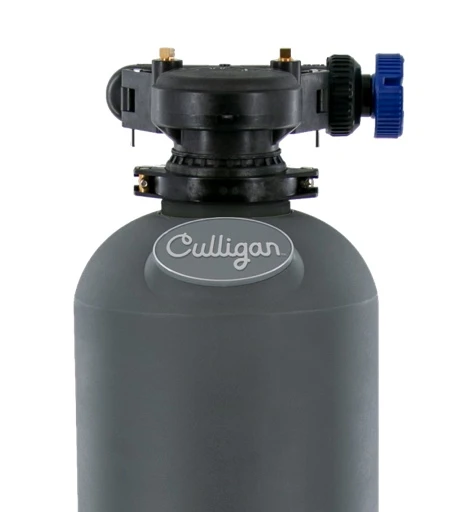
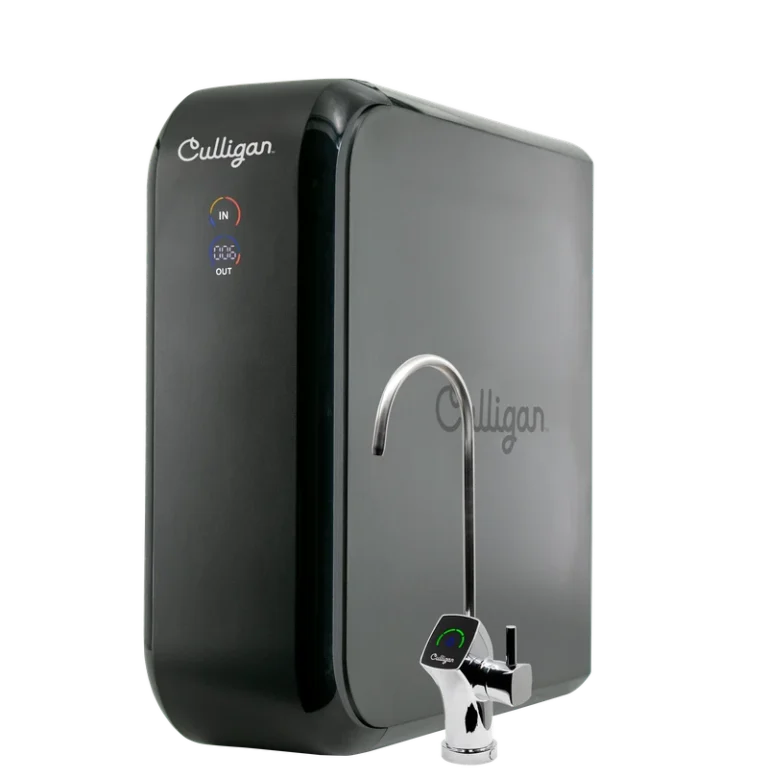
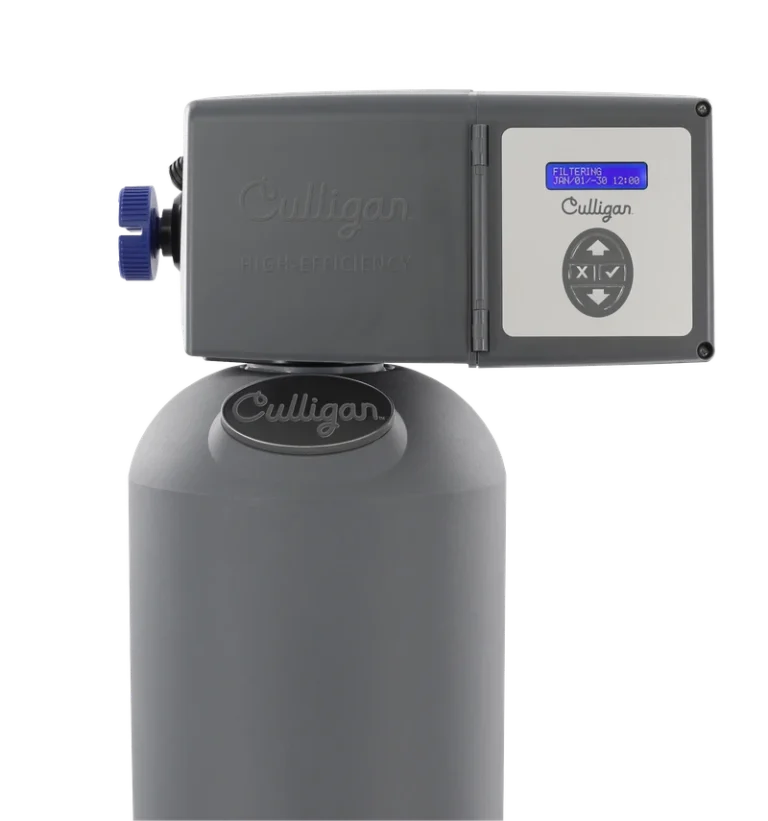
Lockhart, TX Water Softeners & Water Filters
Deals
Don’t Miss Out On Special Offers For Lockhart, TX Residential Water Treatment Products
Are There Contaminants In Lockhart, TX Tap Water?
Get a FREE Water Test!
- No mailing — fast results!
- Test any tap in your home
- NEW flexible sample pickup options

Testimonials
Why Do Lockhart, TX
Homeowners LOVE Us?
Culligan helped us get a much better handle on our water. The taste improved, and we started noticing less buildup around sinks and fixtures pretty quickly.

The team made everything easy to understand and gave us a solution that actually fit our home. It has made a noticeable difference in the water we use every day.
We were tired of dealing with inconsistent water quality and wanted a real fix. The whole process was smooth, and the improvement has been worth it.


Facebook